

In This Issue:
- Deepening Depopulation
- South Korea Battles Low Birth Rates
- Communist China
- Religious Prisoners Remain in China
- Science Gone Mad
- Inside America’s Shady Surrogacy Industry
- Surrogacy Case Reaches Supreme Court
- Pro-Life Around the World
- UK Rejects Assisted-Suicide Bill
- Ipas Pushes Abortion After Nepal Flood
- Pro-Life on the Home Front
- EPA Tests Water for Abortion Drugs
- Abortion Coercion Goes Unchecked
- Louisiana Fights Mail-Order Abortion Pills
- Missouri Divided on Amendment 3
- Bishops Mobilize Against Abortion Pills
- Good News
- Pro-Life Movement Gains Ground Post-Roe
Deepening Depopulation
South Korea Battles Low Birth Rates: South Korea’s largest province, Gyeongbuk, is expanding family-friendly policies after its fertility rate and marriages increased for two consecutive years, following the introduction of various policies. Its new initiatives include 81 extended childcare centers, set to reach 97 by the end of the year, expanded infertility treatment support, and programs helping mothers return to work. Governor Lee Cheol-woo says that “focusing more on creating an environment where it is good to have and raise children,” is key to reversing demographic decline.
Communist China
Religious Prisoners Remain in China: The U.S. Commission on International Religious Freedom is urging President Trump to continue his efforts to secure the release of religious prisoners in China during his September 24 summit with President Xi Jinping. Among those named are Catholic pro-democracy advocate Jimmy Lai and several detained Christian leaders. Eight Zion Church leaders remain imprisoned, while Pastor Ezra Jin was released in July following an earlier appeal by Trump.
Science Gone Mad
Inside America’s Shady Surrogacy Industry: A new CBS News investigation exposed troubling practices within America’s commercial surrogacy industry, where an estimated 10,000 babies are born annually. Surrogates described carrying children without knowing intended parents were simultaneously employing numerous other women. One California couple had at least 25 children through surrogates. Meanwhile lax laws and poor oversight routinely leave women and children vulnerable—highlighting the dangers of treating pregnancy and children as commercial transactions.
Surrogacy Case Reaches Supreme Court: Recently, we reported on the story of McKenna West, the surrogate who refused the intended parents’ request to abort a baby diagnosed with a serious heart condition. Now, she has appealed to the U.S. Supreme Court and is seeking continued involvement in decisions over the baby’s medical care after a California court denied her custody rights. Justice Elena Kagan ordered the intended parents to respond to West’s emergency application by September 18. Her case further exposes the commodification inherent in surrogacy, as the child’s life and continued medical treatment remain at the center of a dispute between the surrogate and intended parents.
Pro-Life Around the World
UK Rejects Assisted-Suicide Bill: Britain’s House of Commons defeated the Terminally Ill Adults (End of Life) Bill in a 286–270 vote, a 39-vote swing from last year. The John Paul II Academy for Human Life and the Family welcomed the decision, warning that assisted suicide threatens vulnerable people, particularly the disabled, and urged instead for a society that protects the dignity of every human life.
“The governments of aging and dying countries always want to take the easy way out,” says Mr. Mosher. “Instead of providing for the health and well-being of their expanding numbers of elderly, they want to show them the exit, encouraging them to speedily end their lives. It is done in the name of ‘compassion,’ but what is really driving it are hard-nosed financial concerns. Canada, for example, has assisted tens of thousands of its citizens to commit suicide, and the number is growing.”
Ipas Pushes Abortion After Nepal Flood: Following devastating flooding in Nepal, pro-abortion organization Ipas Partners for Reproductive Justice is raising money to distribute $20 “dignity kits” containing hygiene supplies. But Ipas is primarily using this disaster to advocate for access to contraception and abortion, and identifying “safe abortion” as a critical reproductive-health need for women and girls affected by the flooding.
“When a natural disaster strikes, and families lose their homes and loved ones, the international abortion movement descends like ghouls to offer even more death,” says Mr. Mosher. “They are particularly active in refugee camps. One UN doctor once candidly admitted to a PRI investigator his motivation to sterilize and abort the women in his camp. ‘They’re refugees, you see,’ he exclaimed. ‘They can’t have children!’”
Pro-Life on the Home Front
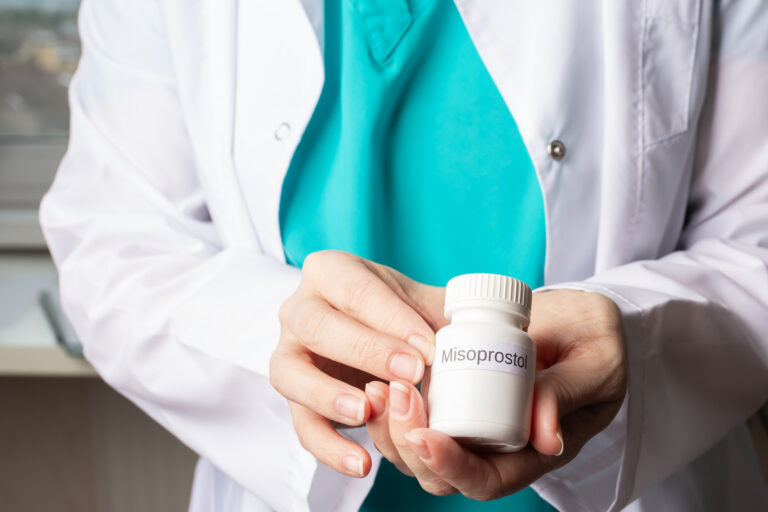
EPA Tests Water for Abortion Drugs: The Environmental Protection Agency will begin monitoring the nation’s water supply for abortion drugs as part of a new study tracking more than 1,400 substances such as pharmaceuticals, pesticides, and other contaminants. Researchers will test for mifepristone and misoprostol, the two drugs used in chemical abortions. The announcement comes as a peer-reviewed study published in Issues in Law & Medicine reported finding significant levels of mifepristone in three American cities, raising concerns about abortion-drug contamination in drinking water.
“After mifepristone and misoprostol do their deadly work inside a woman’s body,” says Mr. Mosher. “They often wind up back in the water supply. Sewage treatment plants do not remove these long-lasting, harmful chemicals from the water. Do they go on to cause additional miscarriages? Even one would be one too many.”
Abortion Coercion Goes Unchecked: A new study of 1,000 women found that women pressured into unwanted abortions face the highest risk of harmful outcomes, yet physicians rarely screen patients for abortion coercion. Of those surveyed, 226 had undergone an abortion. Researchers called the failure to screen for coercion and other risk factors “medical negligence,” warning that many women may undergo abortions against their own will.
Louisiana Fights Mail-Order Abortion Pills: The Fifth Circuit Court of Appeals heard arguments in Louisiana’s challenge to FDA rules allowing mifepristone to be prescribed remotely and mailed to patients. Several judges questioned whether Louisiana has legal standing to bring the challenge. The state argues the policy undermines its pro-life laws, with court records estimating nearly 1,000 abortions involving remotely prescribed mifepristone occur in Louisiana each month.
Missouri Divided on Amendment 3: A new poll of 900 likely Missouri voters found a near-even split over Amendment 3, with 43% supporting it, 44% opposed, and 13% undecided. The November amendment would repeal Missouri’s 2024 constitutional provision establishing abortion “rights,” including abortion through fetal viability, and allow abortion restrictions with specified exceptions, while also prohibiting gender-transition procedures for minors.
Bishops Mobilize Against Abortion Pills: The U.S. Conference of Catholic Bishops is calling Catholics to prayer and action against the growing use of abortion pills. As part of the campaign, the bishops have now released new educational materials, including guidance to help clergy address abortion pills in their homilies and a Q&A designed to educate Catholics about chemical abortion pills.
Good News
Pro-Life Movement Gains Ground Post-Roe: Four years after the overturning of Roe v. Wade, 40 Days for Life President Shawn Carney argues that the pro-life movement is gaining ground despite new challenges. He points to record abortion-facility closures in 2025, declining abortion-pill numbers, growing pregnancy-resource centers, and increased demand for 40 Days for Life campaigns.
Quote of the Week
“In a challenging culture, when so many people, in a sense, see life as something more disposable, you just want to stand up and be a voice for the voiceless.”
~ Archbishop John Wilson