

In This Issue:
- PRI in the Media
- China’s Coming Collapse
- The World’s Largest Abortion Provider
- Peru Celebrates Life and Family
- Misoprostol-Only Abortions
- Deepening Depopulation
- U.S. Birthrates Down Since 2007
- Portugal Seeks to Boost Birthrates
- UN Misdeeds
- Rubio Defends UN Funding Cuts
- Science Gone Mad
- IVF Mix-Up Sparks Lawsuit
- Pro-Life Around the World
- Canada’s Deadly Decade
- Abortion CEO Opposes Assisted Suicide
- Pro-Life on the Home Front
- Mail-Order Abortions Continue Rising
- Americans Favor Abortion Pill Safeguards
- Good News
- Pro-Life Network Supports Mothers
- PRI Research & Resources
- The Moral Cost of Birth Control
PRI in the Media
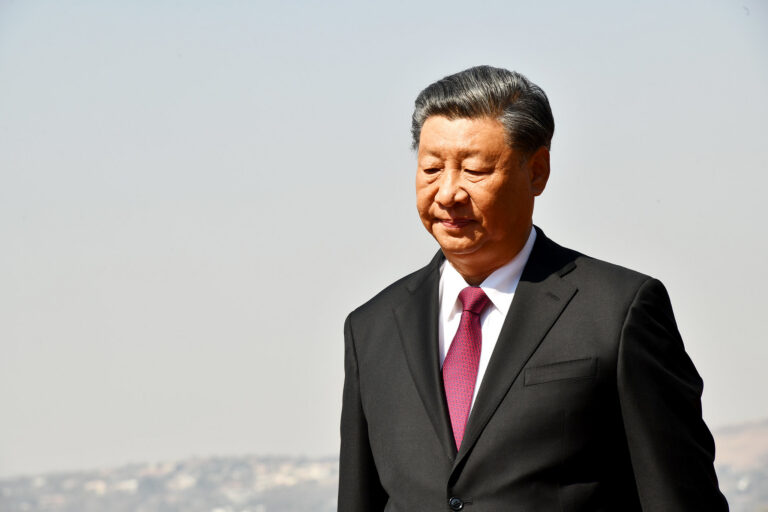
China’s Coming Collapse: Recently, PRI President Steven Mosher appeared on The Glenn Beck Program to discuss the Chinese Communist Party’s ideology and its far-reaching consequences. Drawing on his firsthand experience in China, Mr. Mosher recounted witnessing the regime’s brutal enforcement of the one-child policy, including forced late-term abortions. He also warned that the CCP has elevated itself to a state religion, rewriting Scripture to serve its political agenda, and argued that China’s demographic collapse and internal contradictions will ultimately lead to China’s collapse.
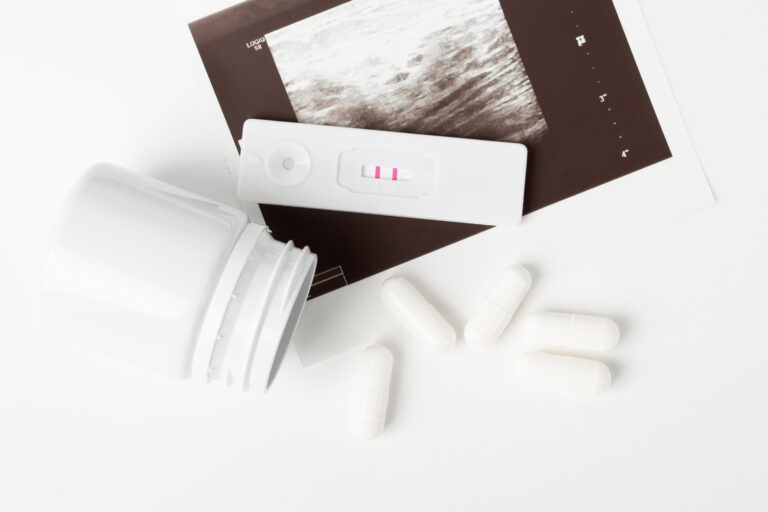
The World’s Largest Abortion Provider: Recently, Mr. Mosher appeared on The Schilling Show to expose DKT International, which he described as the world’s largest abortion provider. Mr. Mosher explained how the organization distributes millions of abortion pills worldwide—often through social media and with no medical oversight—while profiting from their sale despite its nonprofit status. He warned that women in developing countries face especially grave risks, where emergency care for abortion-pill complications is often limited or unavailable.
Peru Celebrates Life and Family: Recently, Carlos Polo, director of PRI’s Latin America office, was featured in coverage of Peru’s new law declaring June “Life and Family Month.” Carlos Polo said the legislation comes at a critical time as Peru faces a declining birthrate and an aging population. He emphasized that strong families are essential to passing on life, forming responsible citizens, and ensuring the nation’s long-term stability and prosperity, calling family the foundation of Peru’s “future.”
Misoprostol-Only Abortions: This week, Pregnancy Help News republished a piece by Steven Mosher and PRI team member Chiara McKenna examining the abortion lobby’s growing promotion of misoprostol-only abortions. Their piece exposes how the practice leaves women unprepared for the physical and emotional reality of delivering a living baby after inducing labor at home; a baby who then dies outside the womb. They also contend that the abortion industry is downplaying the risks while encouraging women to undergo chemical abortions with little medical oversight.
Deepening Depopulation
U.S. Birthrates Down Since 2007: America’s fertility rate fell to a record low of 53.1 births per 1,000 women ages 15–44 in 2025, down roughly 23% since 2007. CDC data show every state experienced declining fertility between 2007 and 2020, with Arizona and Utah seeing drops of more than 30%. Researchers suggest the 2007 rollout of the iPhone may explain one-third to one-half of the nation’s fertility decline between 2007 and 2011, particularly among women under 25.
Portugal Seeks to Boost Birthrates: Portugal’s parliament is debating a series of proposals aimed at reversing the country’s declining birthrate, including larger tax deductions for families with three or more children and the creation of a national pronatalist strategy. Under one proposal, families could deduct up to €1,200 (about $1,300) annually for a third and subsequent child by 2028. Lawmakers are also considering expanded childcare, workplace flexibility, and tax incentives to encourage family formation.
UN Misdeeds
Rubio Defends UN Funding Cuts: Secretary of State Marco Rubio defended the Trump administration’s decision to scale back international family planning funding, arguing that the U.S. should no longer finance overseas contraceptive distribution or organizations that promote abortion. Noting that family planning aid has long been intertwined with abortion advocacy, Rubio said the administration’s America First agenda prohibits such funding. The proposed 2027 budget reduces global health funding from $9.4 billion to $5.1 billion and eliminates funding for agencies such as the UN Population Fund. Rubio said U.S. foreign aid should prioritize American interests over promoting the U.N.’s global agenda.
Science Gone Mad
IVF Mix-Up Sparks Lawsuit: A Florida couple has reached a custody agreement allowing them to keep the baby they carried after an IVF clinic implanted the wrong embryo. The child was discovered to be genetically unrelated to either parent after birth, prompting a lawsuit and a search for the biological family. The case highlights the human cost of IVF and the dangers of treating human embryos as commodities that can be created, stored, discarded, and, in some cases, mistaken for one another.
Pro-Life Around the World
Canada’s Deadly Decade: Canada marked a decade since legalizing assisted suicide, during which more than 76,000 Canadians have ended their lives through the program—now accounting for over 5% of all deaths annually. As lawmakers consider expanding eligibility to include those with mental illness and potentially “mature minors,” Canada’s Catholic bishops and disability rights advocates are urging greater investment in palliative care and renewed opposition to further expanding assisted suicide.
Abortion CEO Opposes Assisted Suicide: Ann Furedi, the former CEO of Britain’s largest abortion provider, BPAS, has spoken out against the reintroduction of the U.K.’s assisted suicide bill, calling it a “serious mistake.” Furedi warned that vulnerable patients could feel pressure to end their lives and questioned the bill’s broad definition of terminal illness. Despite her appalling record surrounding abortion, Furedi warned that legalizing assisted suicide would place vulnerable people at risk and argued that the answer to suffering at the end of life is compassionate care and not to normalize assisted suicide.
Pro-Life on the Home Front
Mail-Order Abortions Continue Rising: Four years after the Dobbs decision, abortion pills obtained through telehealth continue reshaping the abortion landscape. By December 2025, 29% of U.S. abortions were due to telehealth, with abortion providers increasingly relying on mail-order distribution to reach women in states with pro-life protections. Some providers say they are prepared to switch to misoprostol-only abortions if mifepristone access is restricted—despite the regimen causing more pain and side effects—to preserve widespread access to at-home chemical abortions.
Americans Favor Abortion Pill Safeguards: A new Americans United for Life/YouGov poll found broad support for stronger safety measures surrounding the abortion pill mifepristone. Among respondents, 86% supported informed consent before the drug is prescribed, while 68% said patient safety should take priority over ease of access. Only 15% prioritized easier access, and 67% favored “stronger safeguards” after learning about reported complications associated with the drug.
Good News
Pro-Life Network Supports Mothers: As America marks four years since the Dobbs decision, the pro-life organization Her PLAN is expanding what it calls a “pro-life safety net” to connect pregnant women with support in their communities. Citing research that 60% of women who had abortions said they would have chosen life if they had received more emotional or material support, the group estimates that meeting those needs could save as many as 660,000 babies each year.
PRI Research & Resources
The Moral Cost of Birth Control: This week, we highlight PRI’s fact sheet on “The Moral Impact of Birth Control Pill,” which examines the deeper spiritual and moral consequences of contraception. The research argues that, by separating the marital act from its life-giving purpose, birth control has contributed to moral decay, weakened relationships, and devalued human dignity. It also encouraged a culture that rejects God’s design for human sexuality, and the sanctity of marriage.
Quote of the Week
“All of you are prayer warriors and life warriors in a time when it takes strength. We need to stand for the truth that we know.”
~ Bishop Strickland