
Bush Policy Changes Produce Positive Results in Africa
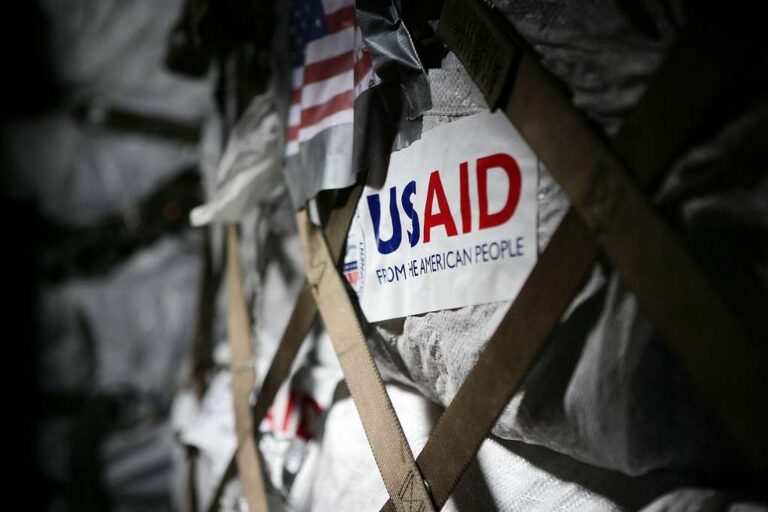
The change in AIDS funding policies has already greatly helped many in Africa. Western aid agencies can now use funding for things other than population control, such as nutrition, basic health care and abstinence programs, reported Dr. Margaret Ogola to LifeSiteNews.com in October.
Dr. Ogola is the medical director of the Cottolengo Hospice in Nairobi, Kenya, and has seen firsthand the results of the changes in the funding policy.
“AIDS has become a women’s disease in Africa, with HIV-infected women outnumbering men three to one because of poverty and resulting transactional sex and because of the breakdown of family structures as a result of two million AIDS deaths,” said Dr. Ogola.
In the 1980s and 1990s, many young people were dying of AIDS, but aid agencies were not interested in treatment for youth, infant nutrition or abstinence programs, which are natural to African culture. Aggressive Western condom promotion by the aid agencies was destructive and weakened traditional African values.
According to Dr. Ogola, recently things have changed. “It’s truly encouraging,” she says, “that finally USAID American money can be used for abstinence campaigns.”
Ogola said the Bush Administration “has removed the massive amounts of funding that was going to contraception and is actively moving towards health care, and this was one of my problems for many years as a health professional, that I could not treat ordinary illnesses while we had massive contraceptive technology as part of the aid given to Africans. So this government, whatever other difficulties it may have, the impact of the Bush Administration on the health structures in Africa is going to be felt for many years down the line positively.”
“We are now allowed to use American money to treat tuberculosis, malaria and AIDS with large sums coming in. This year alone we will have sums coming in to put 45,000 of the 200,000 Kenyans with AIDS who require anti-retroviral drugs on treatment,” she continued.
Dr. Ogola, though working in Kenya, reports that the policy change has helped other African nations as well. The abstinence programs, says Dr, Ogola, have given many African teens the information and message that abstinence is good — so much so that abstinence has become fashionable.
“African Doctor Says USAID Finally Allowing Funds to be Used for Food, Health Care and Abstinence,” LifeSiteDailyNews, 29 October 2004, http://www.lifesite.net/ldn/2004/oct/041029.html
People Shortage
Singapore has found itself short of a valuable item: people. “Our declining birth rate is an issue of long term significance,” said Minister for Trade and Industry Lim Hng Kiang. “Efforts to promote parenthood warrant a substantial investment by the government.”
The government has offered rewards to parents of $1,752 for a first child and up to $10,517 for a fourth child. The current rewards of up to $5,258 for a second child and $10,517 for a third child will remain the same.
Maternity leave will be extended and the workweek of some workers will be reduced to allow more time for family.
Pro-Life Philippines, “Reward for Singapore Babies,” September-October 2004, www.prolife.org.ph/article/articleview/383/1/76
Ireland and the Abortion Battle
Ireland is one of the few developed countries in the world where abortion is still illegal. But that is being challenged by a lawsuit brought against the Irish government in the European Union’s Court of Human Rights by an Irish woman who had to go to the UK to abort her reportedly “abnormal” twins.
Roderick Liddell, a spokesman for the European court, reports, “She is making a complaint under two articles of the human rights convention: article 3, that nobody be subjected to torture, inhuman or degrading treatment or punishment, and article 8, the right to respect for private and family life and of no interference by a public authority with the exercise of this right.”
Abortion is a controversial topic in Ireland. The Irish Constitution was changed in 1983 giving the unborn equal right to life, but the anti-lifers have worked hard, and are still working hard, to change the Constitution to legalize the killing of the unborn.
The European Court has not before ruled in an abortion case, allowing member states to decide such cases on their own. If the court finds favor with the suit, the Irish government may be forced to change their law to allow abortion for abnormal preborns.
Endo Leahy, “Abortion woman sues Ireland in European Court,” Times Online, 31 October 2004, www.timesonline.co.uk/article/0,,2091-1337628,00.html