
As human rights activists and humanitarian aid workers contend against the tide, the United Nations moves closer to promulgating guidelines that would subject refugee women to clinically irresponsible and dangerous procedures of fertility regulation and abortion. Scheduled for completion in April, UNHCR guidelines for “Reproductive Health in Refugee Situations” has been the center of a protracted struggle between the UNHCR, concerned NGOs, and US Congressman Chris Smith.
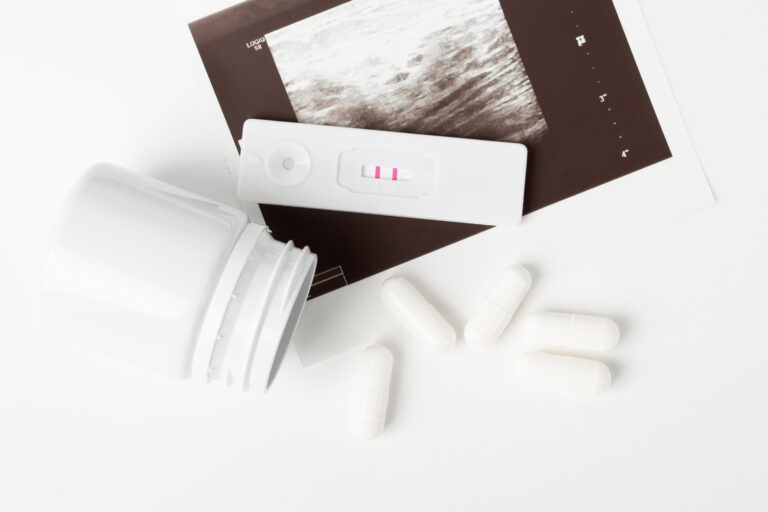
Initial drafts of the guidelines called for the introduction of a specifically reproductive health component into the emergency health care kits for refugee camps. Concern first arose among NGO participants in the preliminary drafting sessions when it became evident that the reproductive health kits were to include the so-called ’emergency contraceptive pill’ (ECP), and a manual vacuum aspirator for use in early-term abortions. Objections centered on poor general hygiene, unskilled practitioners, and the lack of all but the crudest of operating facilities, which make safe and responsible administration and management of such procedures virtually impossible.
Concern gave way to outrage when continuing discussion led not to changes in the guidelines, but to strategies for evading practical, legal, cultural, ethical and religious resistance to the contraceptive and abortive procedures. Concrete recommendations of “alternative terminology” for the purpose of avoiding “legal obstacles” and circumventing the desires of refugees to “replace lost children” have occasioned serious doubts about the underlying intent and the human rights ramifications of the guidelines.
Protests from international relief workers and organizations ultimately elicited the intervention of US Representative Chris Smith. Despite the congressman’s considerable efforts to improve the guidelines, the latest version of the text has not removed ECPs and manual vacuum abortion from routine administration within refugee camps. As discussion of the guidelines comes to a close, pressure is being put on UN High Commissioner for Refugees Madame Sadako Ogata to intervene, and prevent the promulgation of the guidelines until these dangerous procedures are removed from its directives.
Following promulgation by the UNHCR, there will be a waiting period before the guidelines are submitted to the WHO, which has final oversight for medical operations in refugee camps. If signed into policy by the WHO, the regulations will go into effect immediately. Conditions in refugee camps will render impossible any attempt to prevent abuse. Population control will be imposed on poor refugees.
The aborting of refugee women under the euphemisms of “emergency contraception” and “uterine evacuation,” as well as the maternal deaths that are an inevitable result of carrying out these procedures in unsanitary and inadequate medical conditions, will undoubtedly reduce the numbers of “vulnerable peoples” suffering in refugee camps. If the present efforts to halt ratification of these guidelines do not succeed, there will in fact be no more place of refuge for those who have until now been able to turn to the international community in their moments of greatest need.
Kateryna Fedoryka coordinates population information programs for the Population Research institute.